According to research conducted by the University of Georgia, inmates who are housed over 50 miles from home are most likely to experience higher depressive episodes. Another research suggests that receiving correspondence in prison paves the way for better post-release outcomes, and better employment opportunities.Therefore, communication with the outside world becomes even more critical for people in maximum-security penintentiaries.
The process requires more than good intentions. Facilities enforce strict rules about mail, and one misstep can delay or block your letter entirely. This guide covers everything you need to know, from proper addressing to crafting content that brings genuine comfort and connection.
Things to Expect:
If you are looking for a roadmap of what this guide covers, here are four things you can expect to learn:
- The Power of Connection: You will discover how correspondence serves as a critical tool for reducing inmate depression and improving their long-term employment prospects after release.
- A Masterclass in Mailing Rules: The post provides a step-by-step breakdown of strict facility requirements, including the mandatory use of inmate ID numbers and the necessity of plain, “no-frills” envelopes.
- Ice-Breaking Strategies: You will find practical advice on overcoming initial awkwardness by sharing “ordinary” life details and using open-ended questions to build a natural friendship.
- Communication Boundaries: The guide outlines essential “do’s and don’ts,” such as why you must remain consistent in your writing schedule and why you should avoid discussing legal cases or facility staff.
How to Address a Letter to an Inmate: Get the Details Right
Mail room staff handle thousands of pieces daily, and they need precise information to route yours correctly.
- Start with the inmate’s complete legal name.
- Make sure to use the exact name in the prison system, not nicknames or shortened versions.
- Directly below the name, write the inmate’s booking number or ID. Facilities use this number to identify individuals, especially when multiple people share the same name. Without it, your letter might sit in limbo or get returned.
- Next, add the facility’s official name. Don’t abbreviate or use informal names. Below that, include the full street address, city, state, and ZIP code. Your completed address should look like this:
- Michael James Rodriguez #B789012
- California State Prison, Los Angeles County
- 44750 60th Street West
- Lancaster, CA 93536
- Place your return address in the top left corner of the envelope. Most facilities require this and will reject mail without it. Some institutions specify requirements for envelope types; white paper only, no colored ink, specific size restrictions. Check the facility’s website or call their mail room before sending your first letter to an inmate.
Keep the envelope plain. Skip stickers, drawings, perfume, or anything decorative. Security teams screen all incoming mail for contraband, and suspicious items trigger rejection. A simple, clean envelope passes through quickly.
How to Start a Letter to an Inmate: Break the Ice
Therefore, letters should be written accordingly. Writing to inmates for the first time often feels awkward. You want to sound friendly without being intrusive, sincere without being pitying. The solution lies in treating this like any new correspondence. Introduce yourself naturally and explain your purpose. Stick to the following when breaking the ice.
- Open with a simple greeting using their first name. Then tell them who you are and why you’re writing. If you found them through a inmates penpals program, mention that. If you’re a family friend, explain the connection. Transparency builds trust from the start.
- Share a bit about yourself; your interests, where you live, what fills your days. These details give them context and conversation starters. Keep it light and genuine. You’re not writing a resume; you’re opening a door to friendship.
- Move into questions that invite response. Ask about their interests, favorite books, or how they spend their time. Open-ended questions work better than yes-or-no prompts. “What kind of music do you listen to?” generates more conversation than “Do you like music?”
- This approach works whether you’re writing your first letter to an inmate or continuing an established correspondence. It sets a warm, respectful tone that encourages ongoing communication.
Example of a Letter to Someone in Jail: See It in Action
Understanding how to properly write a letter to an inmate becomes clearer when you see an inmate letter template in practice. Here’s what an effective first letter looks like:
Dear James,
My name is Rebecca, and I’m writing through the prison pen pals program at Away Out. I teach high school English in Portland, and I believe in the power of connection and second chances for everyone.
I wanted to reach out because I know how isolating your situation must feel. I hope my letters can bring a bit of the outside world to you and remind you that people care.
A little about me: I’m obsessed with science fiction novels (currently reading through the Foundation series), I have a golden retriever named Scout who thinks he’s a lap dog, and I make terrible attempts at baking on weekends. Last Sunday’s brownies could have doubled as bricks.
I’d love to learn about you. What books have you read recently? Do you have any hobbies you’re pursuing? What’s a happy memory that makes you smile?
I’ll write again in a couple of weeks. Take care.
Best,
Rebecca
This example demonstrates the right balance; personal but not oversharing, friendly without crossing boundaries, and engaging without demanding too much. It gives the recipient clear conversational threads to respond to.
How to Write an Inmate Support Letter: Lift Someone Up
An inmate support letter serves a specific purpose: it encourages, validates, and reminds someone of their worth during their lowest moments. These letters acknowledge hardship without dwelling on it and focus on strength and possibility. Here are a few things you need to do.
- Start by recognizing their current challenge without making it the central theme. A simple “I know you’re going through a tough time” suffices. Then shift to forward-looking content. Discuss personal growth, skills they could develop, or goals they might set for themselves.
- Share stories of resilience. Either your own experiences overcoming obstacles or inspiring examples from history or literature. These narratives provide hope without sounding preachy.
- What to write to an inmate to make them happy often comes down to treating them like a complete person. Ask their opinions, share jokes, discuss current events, or debate harmless topics like the best pizza toppings. Normal conversation validates their humanity when the system reduces them to numbers.
- Express genuine belief in their capacity for change and growth. “I believe in you” carries weight when it comes from someone who sees beyond their circumstances. Avoid empty phrases like “everything happens for a reason”. These sound hollow in a prison cell.
Prison Pen Pal Letter Tips: Make Your Letters Count
How long should a letter to an inmate be? Do not skimp on the following.
- Aim for one to three handwritten pages. Shorter letters feel rushed and impersonal. Longer ones can overwhelm. This length gives you space to share meaningful content without taxing the reader.
- Write legibly. Inmates often share letters with cellmates or friends, and illegible handwriting frustrates everyone. If your handwriting challenges readers, print clearly or type your letters if the facility allows typed correspondence.
- Stay consistent with your writing schedule. Commit to a realistic frequency; weekly, biweekly, or monthly, and stick to it. Unreliable correspondence hurts more than silence. When writing letters to prisoners, dependability matters more than perfect prose.
- Include photographs when facility rules permit them. Visual connections strengthen bonds. Check the specific requirements: most facilities allow standard-sized photos but prohibit Polaroids, sexual content, or images showing gang signs or weapons.
- Talk about everyday life. Your grocery store trip, a funny thing your coworker said, or the book you’re reading gives them windows into a world they’ve lost access to. These ordinary details become extraordinary behind bars.
- Ask follow-up questions about topics they’ve mentioned in previous letters. This shows you read carefully and care about their responses. It transforms one-way updates into genuine dialogue.
What Not to Say in a Letter to an Inmate: Avoid These Mistakes
Understanding boundaries protects both you and your correspondent. Here is what you need to do.
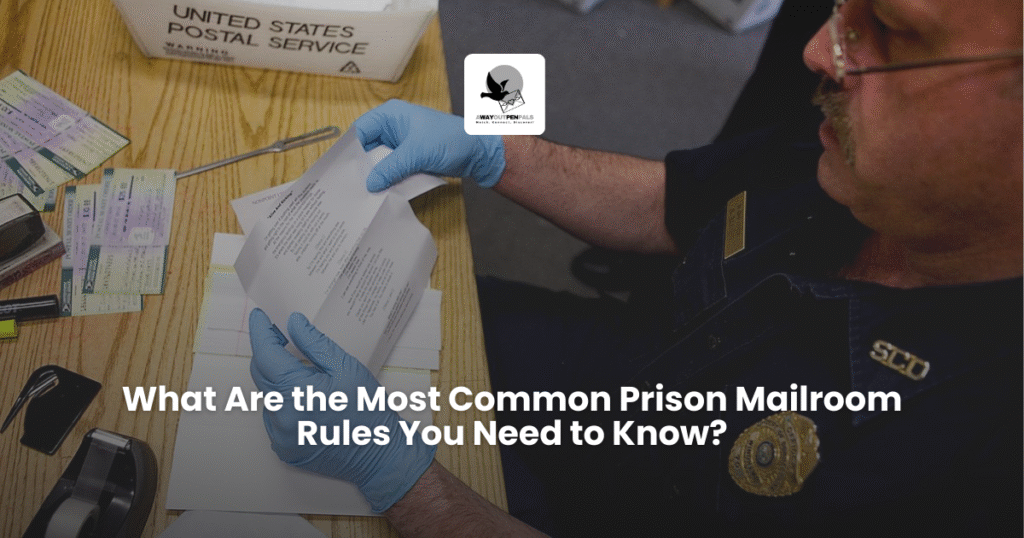
- Never discuss drugs, weapons, escape plans, or anything illegal. Every piece of mail goes through security screening, and inappropriate content gets flagged immediately. Your correspondent could face consequences, and you’ll lose writing privileges.
- Don’t make promises you can’t keep. Comments like “I’ll visit soon” or “I’ll send money” create expectations. Break them, and you damage trust irreparably. Only commit to what you can genuinely deliver.
- Avoid detailed discussions of their legal case unless they initiate the topic. You’re not their lawyer, and armchair legal advice helps no one. Listen if they want to discuss it, but don’t push.
- Skip graphic sexual content. Facilities prohibit it, and it’s inappropriate regardless. Keep your letters PG-rated.
- Don’t criticize facility staff, judges, or the legal system in your letters. This creates problems for the recipient and accomplishes nothing. Save those conversations for private, in-person discussions after their release.
- Never share contact information for other inmates or facilitate communication between prisoners. This violates facility rules and could end your correspondence immediately.
Turn Words Into Connection
Writing letters to prisoners does more than fill time. Here are a few things you must know.
- These letters build bridges between worlds, maintain dignity, and plant seeds of hope during dark seasons.
- Your words remind someone that their story isn’t over, that growth remains possible, and that people on the outside still see their worth.
- The rules and guidelines might seem restrictive initially, but they exist to protect everyone involved.
- Once you master the basics of how to start a letter to an inmate and understand what content works, writing becomes natural and deeply rewarding.
Are you ready to make a real difference in someone’s life through the simple act of writing? Visit Away Out Penpals to connect with inmates who are looking for correspondence and support. Your letters might become the highlight of someone’s week. The reminder they need to keep moving forward. Start writing today!