Staying connected with a loved one behind bars feels overwhelming at first. You want to reach out, offer support, and maintain your relationship, but the rules and systems seem confusing. The good news? Multiple options exist for send letters to inmates, from traditional letters to modern digital platforms.
This guide walks you through every method of communication available, helping you choose the right approach for your situation. You’ll learn practical steps, avoid common mistakes, and discover how to craft meaningful messages that brighten someone’s day behind bars.
Here’s what you’ll discover:
- Multiple ways write to an inmate (traditional mail, email systems, text-like services)
- Step-by-step instructions for each communication method
- Free and paid options for staying in touch
- Essential do’s and don’ts when writing to someone in jail
- Tips for maintaining strong relationships despite physical separation
Understanding Inmate Communication Systems
Correctional facilities have strict protocols for inmate communication. Research shows that maintaining family connections during incarceration reduces recidivism rates by up to 13%, making your efforts to stay in touch genuinely valuable.
Each facility operates differently, but most offer several communication channels:
- Traditional postal mail – The most universal option accepted everywhere
- Email-style messaging services – Digital platforms that deliver printed messages
The availability of these services depends on the facility’s security level, location, and contracted vendors.
What App Do You Use to Reach Inmates for Free?
No completely free apps exist for texting inmates, but several services offer affordable options with occasional free credits. Most facilities contract with specific vendors, limiting your choices.
Common inmate messaging services:
- JPay – Operates in multiple states with email-style messaging
- GTL (Global Tel Link) – Offers GettingOut service for messages and calls
- Corrlinks – Federal Bureau of Prisons email system (lowest cost option)
- Securus Technologies – Provides messaging through eMessaging platform
- Getting Out – Makes communication feel more like the “outside world” by using tablets
Some services offer introductory credits or occasional promotions, but sustained communication requires purchasing message credits. Prices typically range from $0.50 to $1.50 per message.
What Is the Website to Text Inmates?
The website you’ll use depends entirely on which facility houses your loved one. Contact the facility directly or check their website to identify their approved vendor.
Steps to find the right platform:
- Search “[Facility Name] inmate communication” online
- Call the facility and ask which services they contract with
- Visit the vendor’s website and create an account
- Search for your loved one using their booking number or name
- Add funds to your account and start sending messages
Most services require identity verification and approval before you can communicate with an inmate. This process protects both inmates and the public from potential security threats.
How to Write a Letter to an Inmate
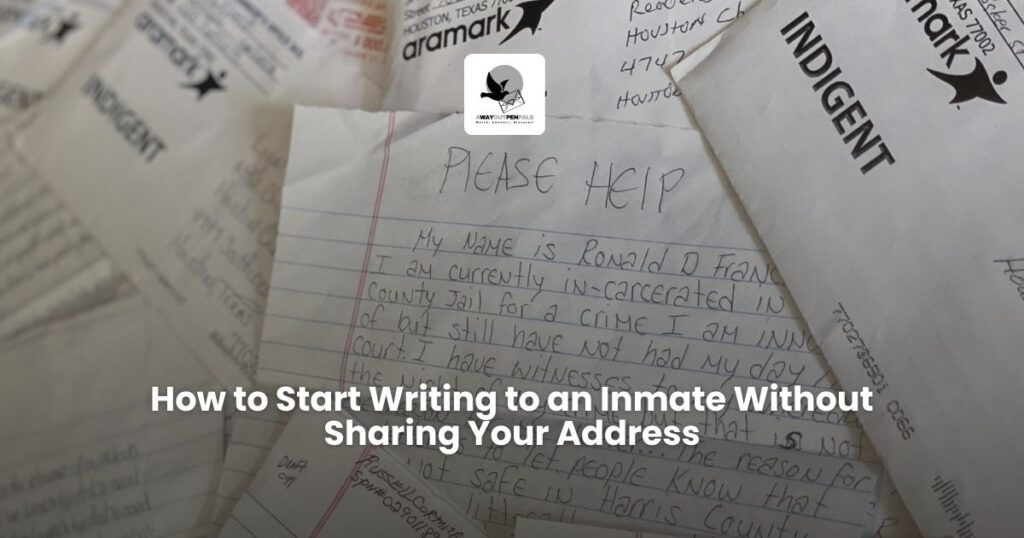
When writing to an incarcerated individual, the opening of your letter is a critical “first handshake.” As you noted, the approach changes completely depending on whether you are writing to a lifelong friend or a stranger through a charitable program.
Using warm language with someone you don’t know can actually cause security issues or be perceived as a boundary violation by the facility.
Approach 1: If You Know the Person (Family & Friends)
These openings lean on your existing history and are designed to reinforce your ongoing bond.
- The Direct Reassurance: “I wanted to reach out immediately and let you know you’ve been in my thoughts. I’m here for you and intend to stay in touch through this.”
- The Nostalgic Anchor: “I was just thinking about that time we went to the lake last summer. That memory has been on my mind, and I wanted to share it with you.”
- The Family Bridge: “I’m sitting down to write because I want to keep you in the loop on everything happening at home. Here is the latest in the family…”
Approach 2: If You Are Writing to a Stranger (Charity & Outreach)
When writing as a volunteer or pen pal to someone unknown, your opening must be transparent and respectful. Inmates are often wary of “scams” or people who write once and disappear, so clarity is your best tool.
- The Program Introduction: “My name is [Your Name], and I’m a volunteer with [Program Name]. I’m writing to you today because I wanted to offer some friendship and a connection to the world outside.”
- The Shared Interest: “I saw on your pen pal profile that you enjoy [History/Chess/Art]. I share that interest, and I thought it would be nice to exchange some letters about it.”
- The Simple Outreach: “Hello, I am a pen pal volunteer. I’m reaching out to introduce myself and hopefully provide some encouragement and a friendly ‘hello’ from the outside.”
Best Practices for “First Contact” Letters
According to guidance from the Innocence Project and Prison Fellowship, keep these rules in mind when writing to a stranger:
- State Your “Why”: Explain exactly how you got their name and why you decided to write. This builds immediate trust.
- Set “Frequency” Expectations: Be honest about how often you can write (e.g., “I can commit to writing once a month”). Consistency is more important than length.
- Maintain Professional Boundaries: Avoid overly emotional language or romantic “overtones.” Stick to a tone of “mentorship” or “peer-level friendship.”
- Privacy First: Use your first name only, and consider using a P.O. Box or the return address provided by your volunteer organization. Never share your home phone number or financial details in a first letter.
Quick Comparison: Which Opening to Use?
- Personal Connection: Use Warmth & Nostalgia. Goal: Maintain a bond.
- Acquaintance: Use Support & Clarity. Goal: Show you haven’t forgotten them.
- Unknown Inmate (Charity): Use Transparency & Respect. Goal: Establish a safe, platonic bridge.
How to Properly Write a Letter to an Inmate
Format matters in correctional facilities. Follow these guidelines to ensure your letter reaches its destination:
Formatting requirements:
- Use standard white or light-colored paper
- Write clearly in blue or black ink (pencil often isn’t allowed)
- Include the inmate’s full name, booking number, and facility address
- Add your complete return address
- Keep content on the paper only (no stickers, lipstick marks, or perfume)
- Write only on one side of the paper
- Avoid using abbreviations that could be interpreted as gang-related
Some facilities require you to use specific envelopes or prohibit certain types of paper. Check the facility’s mail policies before sending your first letter.
Don’t forget to check out: What to Say in Your First Letter to an Inmate (Simple Examples+Template)
Example of a Letter to Someone in Jail
Dear [Name],
I hope this letter finds you staying strong. I wanted to reach out and let you know you’re constantly in my thoughts.
Things at home have been busy but stable. [Share 2-3 specific updates about family, mutual friends, or community news]. Everyone asks about you and sends their support.
I’ve been reading the book you recommended before all this happened, and it’s incredible. The main character reminds me of our conversation about second chances. I’d love to hear what you think about the ending when we talk next.
Remember that this situation doesn’t define you. You have people who care about you and believe in your ability to get through this. I’m here whenever you need to talk, vent, or just hear about everyday life outside.
Take care of yourself there. Focus on the positive steps you can take each day.
With love and support, [Your name]
What Not to Say in a Letter to an Inmate
Certain topics and content can cause problems for inmates or get your mail rejected entirely. Correctional facilities monitor all correspondence to maintain security, so understanding these boundaries protects both you and your loved one.
Avoid these topics and content:
- Specific details about their case or legal proceedings (let their lawyer handle this)
- Negative news that they can’t act on (serious illness, financial disasters)
- Gossip about who’s dating whom or petty drama
- Explicit sexual content (facilities reject these letters)
- Discussion of facility security measures or staff routines
- Information about other inmates or what you heard about prison life
- Plans for prohibited items or rule-breaking
- Contact information for people not on their approved list
- Encoded messages or excessive abbreviations
- Complaints about how hard it is for you on the outside
Stay positive, supportive, and forward-thinking. Your letter should give them something uplifting to hold onto, not additional stress.
How Long Should a Letter to an Inmate Be
Write as much as you feel comfortable with, but aim for at least one full page. Inmates often have substantial free time and genuinely appreciate longer letters that give them something to read and reread.
Here are a few simple tips.
- Aim for 2–4 Pages: This length provides a deep mental escape without being overwhelming.
- Be Descriptive: Share vivid details about your daily life (sights, sounds, meals) to help them “visualize” the world outside.
- Ask & Listen: Use open-ended questions about their interests or books to spark a two-way dialogue.
- Offer “Mental Gear”: Discuss news, ideas, or shared hobbies to give them something new to think about.
- Prioritize Consistency: It is better to write a shorter, regular letter than a long one once a year.
- Focus on Authenticity: Don’t worry about “polish”—a sincere, handwritten letter is a valuable physical keepsake.
How Do I Leave a Message for Somebody in Jail?
Beyond written correspondence, you can leave messages through several channels:
Phone message systems: Some facilities allow you to leave voicemail messages that inmates can access during designated phone times. Check with the facility about their specific system.
Through facility staff: You can call the facility and request that staff deliver a brief message to an inmate. Use this for urgent situations only, as staff resources are limited.
Via approved visitors: If someone on the inmate’s approved visitor list plans to see them, you can ask them to relay a message during their visit.
Emergency notifications: For serious family emergencies (deaths, critical illnesses), contact the facility chaplain or counselor who can notify the inmate appropriately.
How Do Inmates Receive Messages?
Message delivery varies by facility and communication method:
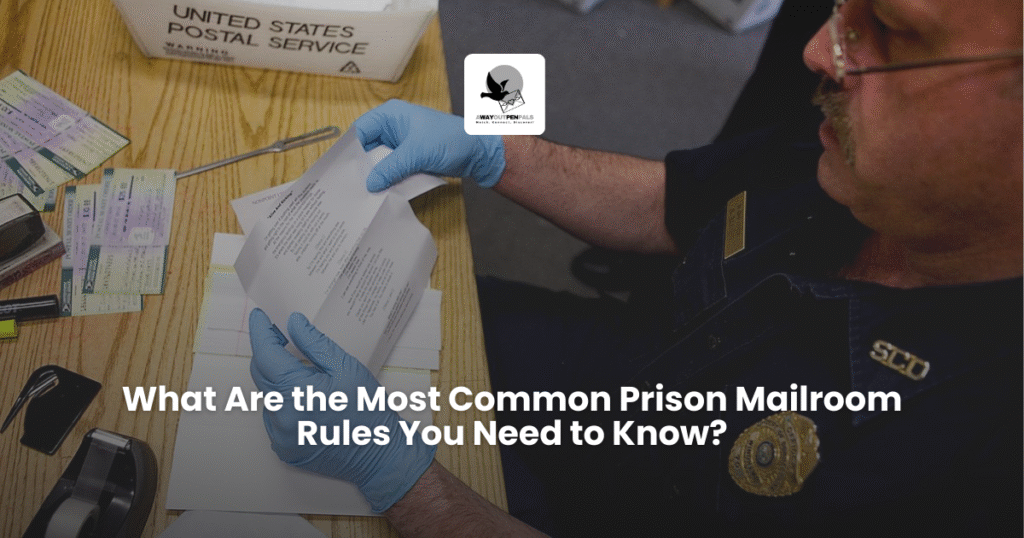
Traditional mail: Staff sorts and inspects all incoming mail, then delivers approved letters directly to inmates during mail call, typically once per day.
Electronic messages: Digital messages go through security screening software, then either print out for hand delivery or display on facility-provided tablets that inmates can access during designated times.
Tablets and kiosks: Some modern facilities provide tablets where inmates can read messages, send responses, and access approved content. These systems operate on closed networks with no internet access.
Delivery timing depends on facility procedures and security levels. Maximum-security facilities conduct more thorough inspections, which can delay delivery by several days.
How to Keep Your Man Happy in Jail
Maintaining a romantic relationship during incarceration requires intentional effort and realistic expectations. Focus on emotional connection, consistent communication, and planning for the future.
Relationship-building strategies:
- Communicate regularly and consistently – Set a schedule for letters or messages so he knows when to expect contact
- Share everyday details – Normal life updates help him feel connected to the outside world
- Send photos – Most facilities allow approved photos (check guidelines for clothing and content restrictions)
- Support his personal growth – Encourage educational programs, counseling, or skill-building activities
- Discuss future plans – Talk about goals and dreams for after release
- Be honest about challenges – Share your struggles too, maintaining authenticity in the relationship
- Respect facility rules – Following regulations protects both of you from consequences
- Take care of yourself – You can’t pour from an empty cup; maintain your own wellbeing
Research demonstrates that strong family support during incarceration significantly improves post-release outcomes, making your consistent presence genuinely impactful.
Remember that writing letters to prisoners requires patience. Responses may take weeks, depending on the facility’s mail system and the inmate’s circumstances.
Using an Inmate Letter Template
Creating a basic inmate letter template can help you write more efficiently while maintaining a personal connection:
Header Section:
- Date
- Greeting
Opening Paragraph:
- Personal acknowledgment
- Expression of care/support
Body Paragraphs (2-3):
- Family updates
- Shared memories or interests
- Encouragement or motivation
- Questions to prompt a response
Closing Paragraph:
- Future-focused statement
- Final words of support
Sign-off:
- Closing phrase
- Your name
Adapt this structure to fit your relationship and communication style. The template provides structure without sacrificing authenticity.
Key Takeaways
Staying connected with someone in jail strengthens their resilience and improves outcomes after release. Here’s what matters most:
- Traditional mail works everywhere – When in doubt, send a physical letter through the postal service
- Digital options exist, but vary by facility – Research which vendor your loved one’s facility contracts with
- No truly free options exist – Budget for communication costs as an ongoing expense
- Content matters more than length – Authentic, positive messages have the most impact
- Consistency beats intensity – Regular brief letters outperform occasional lengthy ones
- Follow facility rules carefully – Violations can result in communication privileges being revoked
- Avoid sensitive topics – Keep content positive, forward-looking, and appropriate
- Your support makes a measurable difference – Research confirms that family contact reduces recidivism and improves well-being
The journey of supporting someone through incarceration challenges you, but your efforts genuinely matter. Each message reminds them they’re not forgotten and gives them motivation to keep pushing forward.
Connect Through Away Out Pen Pals
Looking for additional support or resources for writing to inmates? Away Out Pen Pals provides a community dedicated to meaningful inmate correspondence. Whether you’re maintaining a relationship with a loved one or considering becoming a prison pen pals, you’ll find guidance, templates, and encouragement for this important work. Visit today to learn more about creating connections that transform lives.