This may seem farfetched, but letter writing remains a tangible connection for those in the isolation of the prison system. This guide explores the evolving landscape of prison technology, including how to find a free app to facilitate contact, while offering best practices for writing to an inmate for the first time. By navigating these various avenues, you provide a crucial source of hope and a reminder to incarcerated individuals that they are not forgotten by society.
Things to Expect in This Guide:
- A deep dive into how to properly write a letter to an inmate using traditional and digital means.
- Exploration of the “free” pen pal landscape versus paid corporate services.
- Analysis of the apps that have replaced JPay and what they mean for your wallet.
- The actual cost breakdown of services like Homewav.
- Practical prison pen pals letter tips and inmate letter templates for meaningful engagement.
- Safety guidelines on what not to say in a letter to an inmate.
The Power of a Pen Pal: Why Your Words Matter
The psychological impact of correspondence on an incarcerated individual is profound. When a person is removed from society, they often lose their sense of identity. A pen pal helps restore that identity by treating the individual as a person rather than a number.
Research consistently supports the idea that social contact is a primary driver of successful rehabilitation. For example, a study published in the Journal of Offender Rehabilitation highlights that maintaining social bonds through mail and visits is a critical factor in reducing recidivism. When inmates feel they have a community waiting for them or a support system rooting for them, they are more likely to engage in educational programs and exhibit better behavior while incarcerated.
Furthermore, a 2022 study on social support in prisons found that inmates with external “prosocial” support, like pen pals, showed significantly lower levels of psychological distress and depression. Your letters aren’t just “mail”; they are psychological interventions that promote health and safety within the facility.
How to Write to Inmates for Free: Exploring Your Options
In a world where everything seems to have a price tag, you might be skeptical about finding a way to communicate for free. While the “prison-industrial complex” often monetizes communication, there are still ways to reach out without breaking the bank.
1. Traditional Snail Mail: The Most Reliable Method
The most cost-effective way to write to an inmate remains the postal service. While you must account for the cost of a stamp and stationery, the act of writing itself is free. In an era of instant gratification, a handwritten letter carries a weight that an email cannot match. Inmates often keep these letters for years, rereading them during difficult times.
How to properly write a letter to an inmate via mail:
- Locate the Inmate: Use the State Department of Corrections (DOC) website or the Federal Bureau of Prisons (BOP) inmate locator. You will need their full legal name and their Department Identification Number (DIN) or Booked Number.
- Verify the Address: Facilities often have specific “Mail Drop” addresses that differ from their physical location. Ensure you are sending it to the processing center if required.
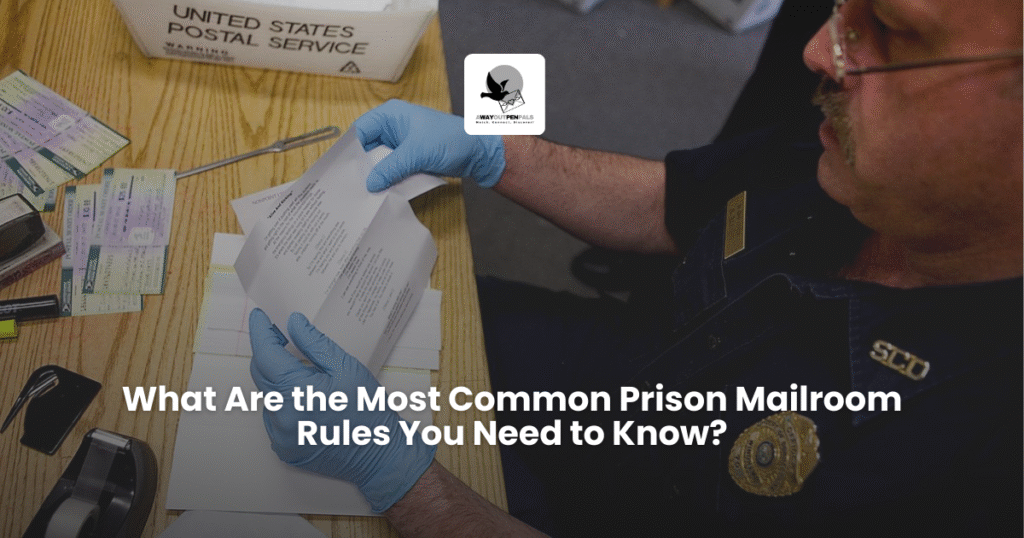
- Adhere to Strict Facility Rules: Prisons are incredibly strict about what enters the facility.
- No “Extra” Items: Do not include paper clips, staples, or stickers.
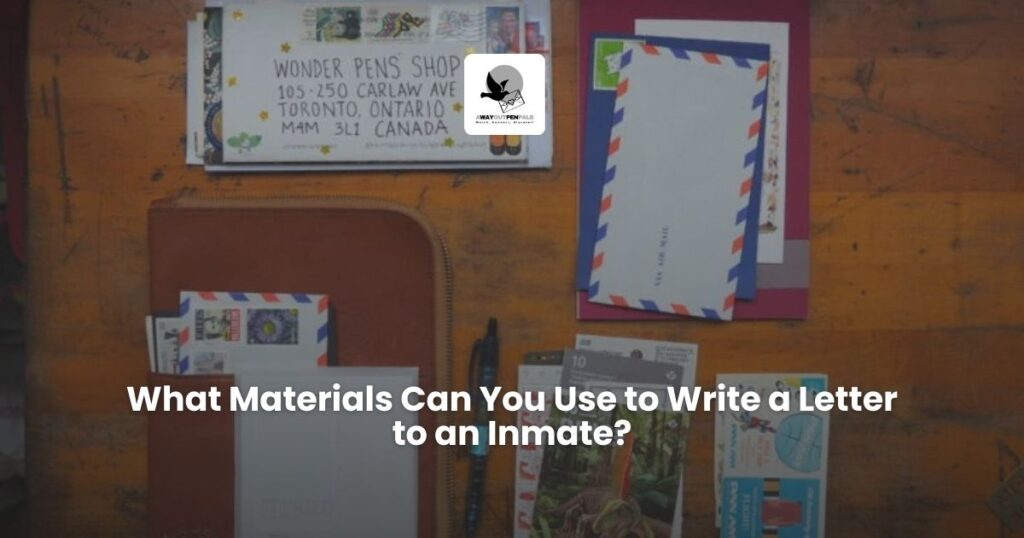
- Paper Standards: Stick to plain white, lined, or unlined paper. Avoid cardstock or heavy construction paper.
- Ink Restrictions: Use blue or black ballpoint pen. Avoid markers, crayons, or glitter pens, as these are often flagged as potential methods for smuggling contraband.
- Envelopes: Use a plain white envelope. Do not use padding or bubble mailers.
- The Return Address: This is non-negotiable. Always put your full name and return address on the top left corner. Many facilities will discard mail that lacks a return address as a security measure.
2. Is there a free PenPal for prisoners?
Yes, there are several platforms designed to facilitate these connections. While many sites charge inmates a fee to list their profiles, there are non-profit organizations that waive these fees or rely on donations to keep the service free for both parties.
Sites like A Way Out PenPals focus on the human element, helping people find a pen pal based on hobbies, shared interests, or spiritual beliefs. When you use a dedicated pen pal service, you are often provided with a safe framework to start your journey, ensuring that your first letter to an inmate is handled appropriately.

The Digital Shift: What App Replaced JPay?
For a long time, JPay was the name synonymous with inmate “email.” However, contracts change, and new giants have entered the arena. Many families are confused when they find JPay no longer works for their loved one’s facility.
Currently, ConnectNetwork (powered by GTL) and ViaPath (formerly Securus) have taken over a massive share of the market. These apps function similarly to JPay: you create an account, search for your inmate, and buy “credits” or “stamps” to send messages.
Crafting Your Letter: Tips for Success
Whether you are looking for an inmate letter template or want to write an original inmate support letter, the structure of your first few communications is vital for establishing trust and safety.
How to Start a Letter to an Inmate
The opening of your letter sets the tone. You don’t need to be overly formal, but you should be clear about your intentions.
- The Introduction: Start with a simple greeting. “Hello [Inmate Name], my name is [Your Name].”
- The “Why”: Be honest about why you are writing. “I saw your profile on a pen pal site and wanted to reach out,” or “I’ve been thinking about you and wanted to check in.”
- The Tone: Keep it light. The goal of the first letter to an inmate is to establish a rapport, not to solve their legal problems or dive into deep trauma.
Example of a Letter to Someone in Jail
“Hi Mark, my name is Sarah. I’m a high school teacher from Ohio, and I enjoy hiking and reading historical fiction. I’m writing to you because I’ve always believed that everyone needs a friend on the outside. I’d love to hear about what books you’re reading lately or what your day-to-day life is like. I look forward to hearing from you!”
For more information please check out:
How to Write a Letter to an Inmate: A Complete Guide
Writing to Inmates for the First Time: What to Expect
When you send that first envelope, be prepared for a few things:
- Delay: Mail is inspected. It can take 2-3 weeks for a letter to go from your mailbox to the inmate’s hands.
- The “Request”: Some inmates, out of desperation, may ask for money or items early on. It is important to set boundaries. A true pen pal relationship is based on conversation, not financial transactions.
- Vulnerability: You might be surprised at how quickly an inmate opens up. For them, you are a safe space where they don’t have to be “tough.”
Navigating Safety: What Not to Say in a Letter to an Inmate
Safety is a two-way street. You must protect yourself while also ensuring your words don’t get the inmate into trouble with the guards or other prisoners.
- Avoid Legal Talk: Never ask for details about their crime or their ongoing case. Mail is read by staff, and anything you write could potentially be used against them in court or during a parole hearing.
- No Sensitive Details: Don’t share your home address (use a P.O. Box), your place of work, or your daily schedule.
- No Coded Language: Even if you are joking, avoid using slang or “codes” that look like gang activity or plans for an escape. This will lead to the letter being confiscated and the inmate being placed in solitary confinement.
- No Explicit Content: Most facilities will reject mail that contains sexually explicit descriptions or photos.
How Long Should a Letter to an Inmate Be?
There is no “perfect” length, but consistency is better than volume.
- Short and Sweet: A 1-2 page letter is ideal. It’s enough to share a story about your day and ask three or four questions for them to answer.
- Frequency: Writing once a week or once every two weeks is much better than writing a 20-page manifesto once every six months. Inmates look forward to the “Mail Call” routine.
Inmate Letter Template for Support
If you are writing an inmate support letter (perhaps for a parole board or just for the inmate’s morale), focus on:
- Character: Mention their positive traits.
- Future Plans: Discuss what you will do together once they are released (e.g., “I can’t wait to take you to that burger spot we talked about”).
- Accountability: It is okay to encourage them to stay focused on their programs and stay out of trouble.
Advanced Writing: Enhancing the Connection
Once you’ve moved past the “getting to know you” phase, you can explore other ways to make the mail exciting.
- Send Articles: If you see an interesting news story or a funny “weird news” clip, print it out and include it. (Check facility rules on clippings first).
- Share Puzzles: Sudoku or crossword puzzles are highly valued in prison.
- Photos: Most facilities allow a limited number of photos (usually 5 per envelope). Ensure they are “G-rated” no hand signs, no alcohol, and no revealing clothing.
Key Takeaways for Successful Correspondence
- Patience is Mandatory: The mail system in prison is slow. Don’t take a late reply personally.
- Non-Profits are Your Best Friend: Use apps like A Way Out PenPals to keep costs low.
- Know the Technology: Understand that JPay is being phased out in many areas by ConnectNetwork and ViaPath.
- Watch the Clock: If using video services like Homewav, keep track of your minutes to avoid unexpected bills.
- Stay Positive: Your role is to be a breath of fresh air, not another source of stress.
Final Word
Writing to an inmate is a journey of empathy. It requires you to look past a person’s worst mistake and see the human being that remains. Whether you are seeking a long-term pen pal or just want to send a one-time message of encouragement, your effort matters. In the silence of a prison cell, the sound of an envelope being opened is the sound of hope.
Ready to start a meaningful connection? There are thousands of individuals waiting for a friendly word.
Click here to find a pen pal and start writing today at A Way Out PenPals.