It’s pretty straightforward.
There are two ways you can go about it.
First is using an Inmate Voicemail system or an electronic messaging platform.
To use voicemail:
- Dial the facility’s specific inmate message number
- Select your language (English or Spanish)
- Finally, enter the inmate’s permanent PIN (ID) number.
The system will then automatically alert the inmate to your new message.
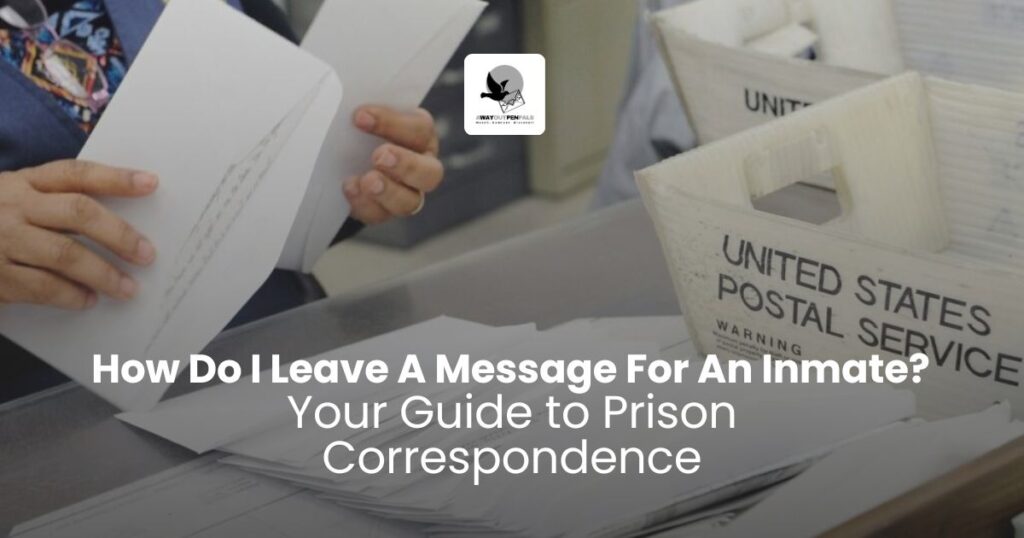
The second option you have is sending physical mail by using the verified mailing address found on an inmate’s profile.
- Voicemail: Dial the facility’s dedicated line, select your language, and input the inmate’s PIN.
- Direct Mail: Locate the specific mailing address on the inmate’s profile.
- System Notification: The facility’s phone system will notify the inmate as soon as your message is processed.
Can I Leave a Message for Someone in Jail?
The short answer is yes, but you cannot simply call a prison and ask to be transferred to an inmate’s cell. Incarcerated individuals do not have personal cell phones, and they cannot receive incoming phone calls. Instead, you must use specific “inmate message” systems provided by third-party vendors or the traditional postal service. This is just the beginning.
This conversation gives birth to several other questions, like the ones below.
How to locate an inmate?
Simply go through the profiles on our website. There, you can find several inmates you could write to, which leads us to the next question. Of course, when approaching an incarcerated person, you would want to leave a positive impact on their lives.
How to encourage an inmate through your correspondence?
Your words should make them feel hopeful and optimistic. Make them realize that they can improve as human beings. Don’t talk about their crimes, don’t judge them, respect their boundaries, and avoid discussing sensitive topics.
Can you send cards to inmates?
When writing encouraging words to inmates, people go the extra mile by wanting to send greeting cards or other sweet add-ons. While it’s a noble act, you can only send a single sheet of paper with a handwritten message in the thinnest ink possible. Try not to add any cards, paper clips, or write with a thick layer of ink, if you want to maximize the chances of your messages reaching the desired inmate.
How Do You Leave an Inmate Message?
There are three primary ways to “leave a message” for someone currently incarcerated:
1. Digital Messaging (The Modern “Text”)
Many facilities now use platforms like ConnectNetwork (GTL), ViaPath (Securus), or JPay. These systems allow you to type a message on your computer or smartphone and send it to the inmate. While it feels like email, it is technically a “secure message” that the facility staff may review before it is delivered to the inmate’s tablet or a shared kiosk.
Here a few common questions that arise when we talk about platforms like GTL, some of which are as follows.
Can inmates see your location on their GTL tablets?
No! Those tablets aren’t connected to the internet.
Can inmates set up connect network accounts?
No! They aren’t allowed to have cellphones.
Why do collect calls hang up?
Sometimes, the department of correction feels you are trying to set up a three-way call. That’s probably the reason it hangs up.
2. Voice Messaging
Some phone providers allow you to leave a short voice message for a fee. If the inmate is not available to take a call, you may be prompted to record a message that they can listen to later when they log into the phone system. This is a common feature in many county jails across the United States.
3. Traditional Mail
If you want to leave a more permanent message, writing letters to prisoners is the gold standard. It allows you to include more detail and provides the inmate with something physical to hold onto. Learning how to properly write a letter to an inmate is a vital skill for anyone supporting someone in the justice system.
How Do I Send a Text Message to an Inmate?
Technically, you cannot send a standard SMS text from your phone’s default messaging app to an inmate. However, you can send “text-style” messages through apps like GettingOut or ConnectNetwork.
To send these messages, you generally need to:
- Create an Account: Register with the specific vendor used by that prison.
- Add Funds: These services are rarely free. You will need to purchase “credits” or “stamps.”
- Search for the Inmate: Use their full name and inmate ID number.
- Type and Send: Keep in mind that these messages are often limited by character counts, much like old-fashioned telegrams.
A 2021 report from the Prison Policy Initiative points out that while digital messaging is faster, it can also be expensive, with some families spending hundreds of dollars a month just to stay in touch. For many, a handwritten letter remains the most sustainable option.
How to Write a Letter to an Inmate: The Basics
If digital messaging is unavailable or too costly, you must rely on the mailroom. Whether you are using an inmate letter template or writing from scratch, you must follow specific protocols.
How to Properly Write a Letter to an Inmate

- The Envelope: Write the inmate’s full legal name and their ID number clearly on the front. Include the full address of the facility.
- The Return Address: You must include a return address. Mail without one is often destroyed.
- Paper and Ink: Use plain white paper and blue or black ink. Avoid scented paper, glitter, or stickers.
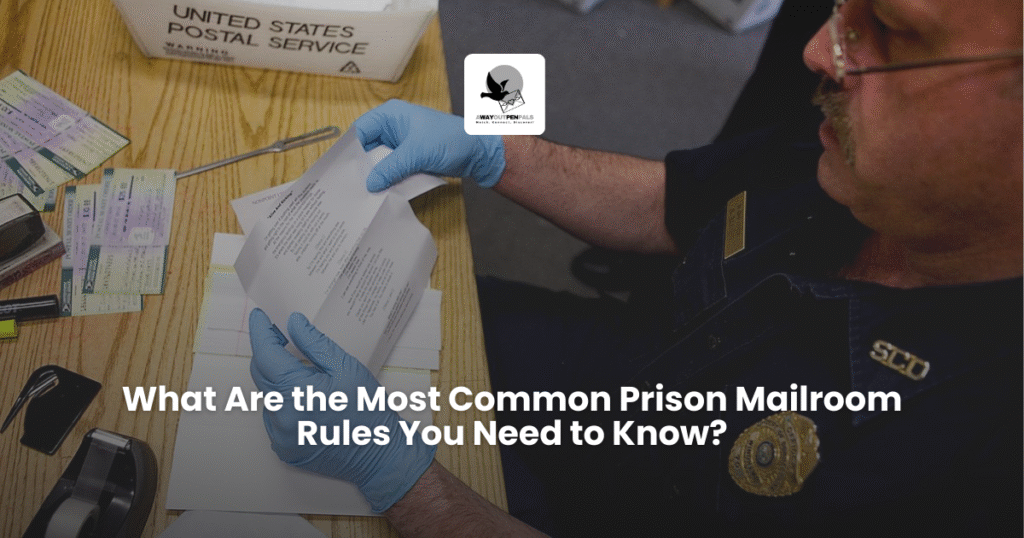
- Content Restrictions: Do not include anything that could be considered contraband. This includes polaroid photos (which can be peeled apart), staples, or paper clips.
How to Start a Letter to an Inmate
Here are a few decent starters you can try out when writing a letter to an inmate.
Warm / supportive openers
- “Hey [Name], I’ve been thinking about you and wanted to reach out.”
- “Hi [Name], I hope this letter finds you as well as possible. I’ve missed talking to you.”
- “Dear [Name], I’ve been holding onto a few things I want to say and thought writing them might be best.”
Neutral / informational openers
- “Hi [Name], I’m writing to reconnect and share a few updates from home.”
- “Dear [Name], I wanted to let you know what’s been happening since you left and hear how you’re doing.”
- “Hello [Name], I’m reaching out to open a line of communication again.”
Boundary-setting / cautious openers
- “Hi [Name], I’m writing because I think it’s time we reestablish contact; I want to be honest about what I can and cannot handle.”
- “Dear [Name], I’m writing with the intention of being respectful and clear about my expectations moving forward.”
- “Hello [Name], I’m reaching out to offer support while also making sure we’re on the same page about boundaries.”
What to Say to Leave a Message?
Many people struggle with the “what” of communication. In a high-stress environment like prison, the content of your message can dictate the inmate’s mood for days.
When writing an inmate support letter, consider these topics:
- Daily Life: Share small, mundane details about the outside world. It helps the inmate feel connected to reality.
- Shared Memories: Remind them of better times to boost their morale.
- Future Goals: Talk about what you will do together once they are released.
- Books and Hobbies: Ask what they are reading or if they have joined any facility programs.
Example of a Letter to Someone in Jail
If you are feeling stuck, here is a short inmate letter template to get you started:
“Dear [Name],
I wanted to leave this message for you to let you know I’m thinking about you. Things out here are [mention a small weather or neighborhood update]. I’ve been thinking about that time we [share a positive memory].
I hope you’re staying healthy and finding ways to keep your mind busy. Let me know if there are any books you want me to look into for you. I’ll write again next Tuesday.
Stay strong,
[Your Name]”
But what if you don’t know the inmate on a personal level? Simple! Here is how you will write.
“Dear [Name],
My name is [Your Name], and I am reaching out simply to send some positive thoughts your way. I believe that everyone deserves a connection to the outside world, and I wanted to let you know that you are being thought of today.
I spend most of my time [mention a hobby or job, e.g., gardening, working as a librarian, or walking my dog]. Today the weather here is [brief weather description], which always makes me feel [a feeling, e.g., a bit more energized].
I’m happy to be a pen pal if you’re looking for someone to trade stories or book recommendations with. If there is a particular topic you’re interested in—whether it’s history, sports, or science—let me know and I can share some news or interesting facts about it in my next letter.
Wishing you strength and a peaceful week ahead.
Best regards, [Your Name]”
What Not to Say in a Letter to an Inmate
Safety is the most important factor when writing to inmates for the first time. The mailroom staff reads almost everything.
- Don’t discuss the crime: Avoid talking about their case or legal strategy in a standard letter. This is not privileged communication.
- Don’t mention illegal activities: Never talk about drugs, weapons, or “business” you are handling for them on the outside.
- Don’t use code: Using “slang” or coded language will get your letter flagged and could get the inmate in trouble.
- Don’t overshare personal info: Until you trust the situation, don’t give out your specific home address or financial details.
How Long Should a Letter to an Inmate Be?
Consistency matters more than length. A 10-page letter once every six months is less helpful than a one-page letter sent every week. Generally, how long should a letter to an inmate be? Aim for 1 to 3 pages. This is long enough to be meaningful but short enough for mailroom staff to process quickly.
Prison Pen Pal Letter Tips for Success
If you are embarking on this journey for the first time, keep these techniques in mind:
- Set a Schedule: Inmates live by a rigid routine. If they know your letter arrives every Wednesday, it gives them something to look forward to.
- Be Direct: Avoid passive language. Say “I am here for you” rather than “I hope you feel supported.”
- Number Your Pages: If a letter is long, number the pages. Sometimes pages get out of order during inspection.
- Photographs: Check the rules first, but most facilities allow up to 5 photos. Do not send photos with hand gestures or revealing clothing.
According to research, correspondence with the outside world, and especially loved ones results in a major improvement in the inmates. With these letters, they have a better chance of easily merging with the society after their freedom, and they can also contribute to the betterment of others to the best of their capabilities.
Overcoming the Barriers of Inmate Communication
Many people stop writing because the system is designed to be difficult. From high “stamp” costs on JPay to the long wait times for snail mail, it is easy to get discouraged. However, the effort you put in today builds the foundation for their life after prison.
Use of Technology
While we’ve discussed how to send a text message to an inmate, don’t forget that technology can also fail. Tablets break, and kiosks go down. Always have a “Plan B,” which is the traditional handwritten letter.
Establishing Boundaries
When writing letters to prisoners, it is okay to set boundaries. If an inmate asks for money or items you cannot provide, be firm. Your primary role is emotional support. If the relationship becomes transactional, it may lose its rehabilitative value.
Key Takeaways
- Leaving a message is possible: You can use digital apps like ConnectNetwork or traditional mail.
- Digital “Texts” aren’t standard SMS: You must use specific vendor apps and pay for credits.
- Rules are absolute: Always follow the facility’s guidelines on paper, ink, and envelope style to ensure your message is delivered.
- Consistency is king: A short, regular inmate support letter is more effective than a long, sporadic one.
- Safety first: Avoid discussing legal cases or sharing sensitive personal data in non-privileged mail.
- Connection reduces recidivism: Your words are a documented tool for rehabilitation.
Final Word
Leaving a message for an inmate is an act of kindness. Whether you choose the speed of a digital message or the sentimental value of a handwritten letter, your presence in their life is a powerful motivator for change. By following the tips in this guide, you can ensure your communication is safe, effective, and meaningful.
Would you like to start a journey of connection today? You can find a pen pal and offer your support to someone who truly needs it.