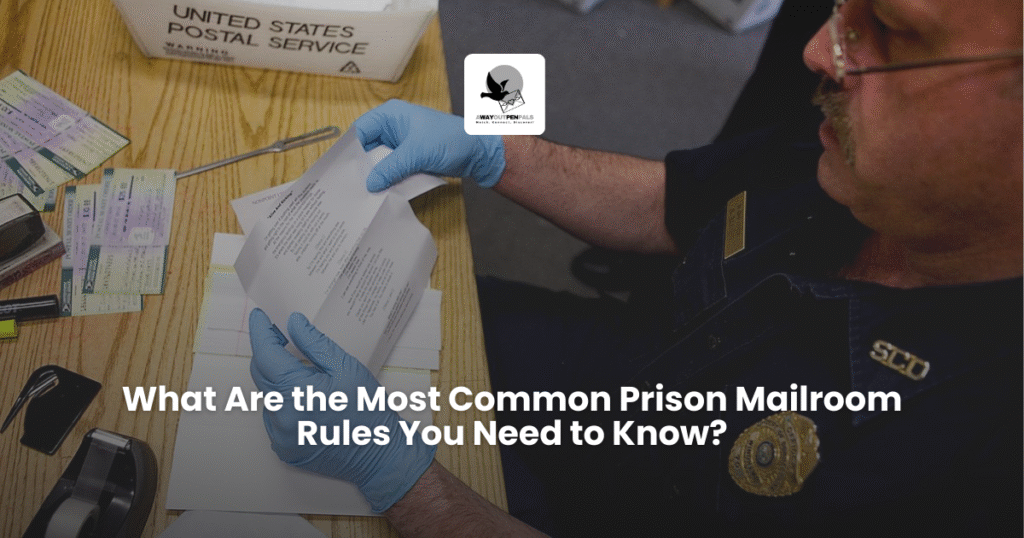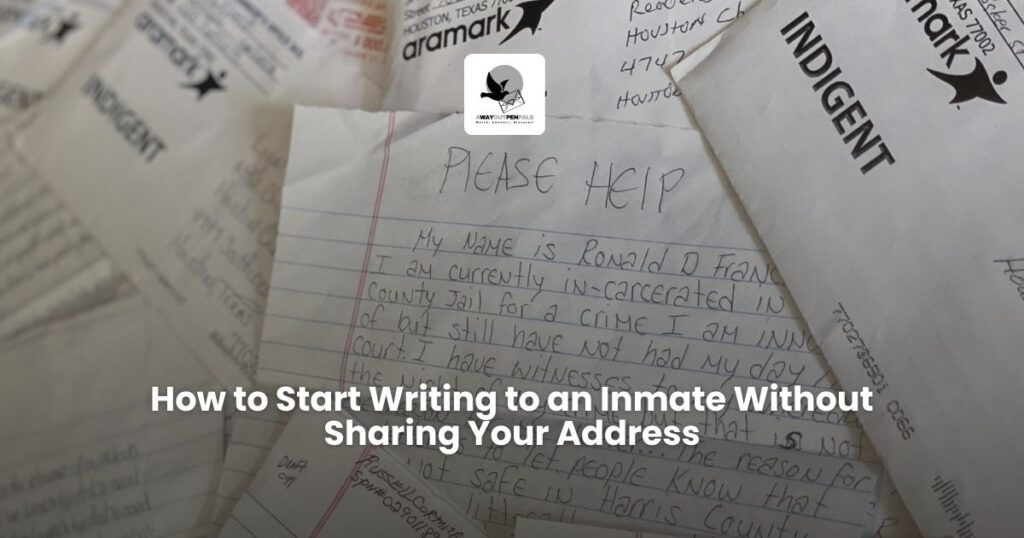
This is the tricky part, especially if this is your first time writing to an inmate.
Of course, you can’t break the ice by directly asking them the very reason that landed them behind the bars. That would be awkward and downright wrong on so many levels.
You also cannot ask them how they are doing. After all, who likes to be locked up in a maximum security penitentiary?
Choosing to write to an inmate is an act of empathy. Whether you are looking to meet inmates online through various penpal sites for inmates, or you’ve been moved to write to death row inmates to provide a sliver of humanity in a dark place, that first letter is the hardest.
Remember, the goal here isn’t just to “check-in”; it’s to build a window.
In a conversation on Quora, one of the users said, “I usually ask the person a question like; where did you go to school? or have you always lived in Rochester? These are easily answered questions without being too personal.”
And, that is just a tip of the iceberg!
There are several other creative and less harmful ways to begin your correspondence with an inmate, like the ones we’ve mentioned below. So, without further ado. Let’s drive right in.
How Do I Break the Ice without Making Things Awkward?
Consider this a continuation of what we were only discussing a few paragraphs ago.
The biggest hurdle when you first connect with prison pen pals is the “stiff” factor.
People often treat the first letter like a formal job application or a dry biography, and that is perfectly natural. We all have to take that first step, even if we make a mistake.
So? What is the solution?
Simple! Just stop trying to be “significant” and start being “curious.” The best icebreakers are low-pressure and high-engagement, focusing on the internal world rather than the physical one, like the ones below.
Creative Hobby-Based Conversation Starters:
- The “Radio” Prompt: “If you had a 30-minute radio slot to play any five songs to the world, what would be on your setlist and why?”
- The Artistic “What If”: “If you could collaborate on a mural with any artist, living or dead, who would it be? What would the colors look like?”
- The Culinary Memory: “What is the one meal from your childhood that you can still smell if you close your eyes?”
- The Literary Escape: “Are you a fan of ‘world-building’ in books? If you were writing a sci-fi novel, what would the sky look like on your planet?”
- The Crafting Question: “I’m currently struggling with [a DIY project/drawing/knitting]. Do you have a hobby you’ve mastered that requires a lot of patience? I could use some tips on staying focused.”
To bridge the gap between that initial “stiff” formality and a genuine connection, focus on shared humanity rather than a list of facts. Research on the fostering of interpersonal closeness suggests that sustained, escalating self-disclosure, asking about feelings and memories rather than just logistics, is the fastest way to dissolve awkwardness and build a meaningful bond.
What Should I Avoid Saying to Ensure My Mail Actually Gets Delivered?
Suppose you’ve written a beautiful, five-page letter, but it never reaches the targeted recipient.
Ever wondered why that is? There is an easy explanation for this. To put it simply, this happens because you accidentally tripped a security wire. No matter how earnest your intentions were, there are certain no-go areas, like the ones we’ll discuss, momentarily.
It is important to understand that when you use penpal services for inmates, you have to remember that you aren’t just writing to a friend. As a matter of fact, you’re writing through a filter of strict institutional security.
To ensure your mail is delivered, you have to play by the “boring” rules of the mailroom.
Avoiding Sensitive or Prohibited Topics:
- The “Investigation” Trap: Never ask about their case, their crime, or their “co-defendants.” This can create legal issues for them and red flags for the prison.
- The “Location” Leak: Avoid discussing the layout of the prison, staff names, or “workings” of the facility.
- The “Identity” Issue: Many facilities now scan mail. Don’t include glitter, stickers, or perfume. Some even ban colored ink (stick to blue or black).
- The “Finance” Friction: Avoid talking about how much money you make or your expensive weekend plans. It can create an uncomfortable power dynamic early on.
- The “Digital” Barrier: Don’t mention social media handles or websites that they cannot access; it can be a frustrating reminder of their isolation.
Before moving forward, you can check out this blog.
How do I share “the outside world” without sounding like I’m bragging?
It is very tempting to share the most minute itty-gritties of your life with your prison penpal. However, it is in your and their best interest for you to not get carried away.
The most common fear for prison pen pals is that talking about a trip to the beach or a walk in the park will make the inmate feel worse.
However, the opposite is usually true. Prisoners often crave “sensory” descriptions of the world they can’t see.
The problem is “what” you share; the solution is “how” you describe it. Here is what you need to do.
Descriptive Writing Tips:
- Focus on the Senses: Instead of saying “I went to a café,” describe the hiss of the espresso machine and the smell of roasted beans and damp pavement outside.
- The “Weather” Report: Don’t just say it rained. Describe the way the sky turned a bruised purple before the storm hit.
- Animal Encounters: Share stories about your pets or a bird you saw. Animals represent a form of unconditional life that is rare in a concrete environment.
- The Mundane Magic: Talk about the small things, like the sound of a lawnmower on a Saturday or the specific crunch of autumn leaves. These “normal” sounds are often what inmates miss most.
Sharing your world provides a “mental window” for those in sensory-deprived environments. Research on guided imagery suggests that vivid, sensory descriptions help inmates neurologically simulate experiences, reducing anxiety and depression. By focusing on the scent of rain or the texture of a leaf, you aren’t bragging—you’re offering a vital form of cognitive escapism and emotional relief.
How do I keep the conversation flowing during a facility lockdown?
When it comes to communication, lockdowns are the real black holes.
What happens is, mail slows down, tension rises, and your pen pal might go silent for weeks. The problem is the loss of momentum; the solution is “unidirectional” support.
You have to be okay with writing “into the void” for a while to let them know you’re still there. Here is what you need to do.
Maintaining the Connection:
- The “Serial” Letter: Break a long story into three parts and mail them a few days apart. It gives them something to look forward to the next day.
- Enclose “Brain Teasers”: Send a crossword, a Sudoku puzzle, or a “riddle of the week.” It provides a mental escape when physical movement is restricted.
- Affirmation without Pressure: Use phrases like, “No need to reply to this right away, I just wanted to share this thought with you.”
- The “History” Dive: Since news is often delayed, share an interesting historical fact or a “Today in History” snippet. It’s timeless content that doesn’t rely on a fast reply.
By showing up without demanding a response, you provide a lifeline that helps your pen pal navigate the mental strain of confinement. Research confirms that consistent communication is vital during isolation, as the lack of social contact can trigger psychological trauma and profound “social pain.”
How do I find the right person to write to?
If you don’t already know someone, you might be wondering, “How do I find a random inmate?” or “How do I meet inmates online?”
The internet has made this process much safer and more transparent than the “blind” pen pal ads of the past.
To make your life easier, get in touch with a company like Away Out Penpals. We have a comprehensive repertoire of inmate profiles. Anyways, here are some good ways to reach inmates in the digital space.
Safe Ways to Meet Inmates Online:
- Vetted Platforms: Use a reputable penpal website for prisoners like WriteAPrisoner.com or Meet-An-Inmate.com. These sites allow you to filter by interests, such as music, art, or education.
- State Databases: Most state DOC websites have a “Search for an Inmate” feature, but these won’t tell you who wants a pen pal. Stick to dedicated services for that.
- The “Death Row” Connection: If you feel a calling to write to death row inmates, realize that these individuals are often the most isolated. Websites like Death Row Support Project specialize in these unique connections.
- Common Ground Search: Look for profiles that mention specific books or genres you love. It’s much easier to find common ground when you both have a shared passion for 19th-century history or classic rock.
Choosing the right person is about more than just finding a name; it’s about creating a foundation for a safe and meaningful connection. By using vetted services, you ensure the process is transparent and focused on mutual respect. Research confirms that maintaining these types of prosocial “social bonds” with the outside world is a key factor in reducing recidivism and helping incarcerated individuals successfully transition back into society.
Conclusion
Writing to an inmate is a journey of patience. You are providing a lifeline of “normalcy” to someone living in an environment designed to be anything but normal. By focusing on creative hobbies, being mindful of mailroom rules, and painting vivid pictures of the outside world, you become more than a pen pal—you become a reminder of their humanity.
If you’re ready to start this rewarding journey, take that first step today and see how much a simple stamp can change a life.
Ready to find your first pen pal? Visit WriteAPrisoner.com to browse profiles and start your first letter today.
Frequently Asked Questions
- Is it safe to write to an inmate?
Yes, provided you use common sense. Use a P.O. Box if you are uncomfortable sharing your home address, and never share sensitive financial information or your full social security number.
- Can I send photos to my pen pal?
Most facilities allow photos, but they usually must be 4×6 or smaller. They cannot contain hand signs, nudity, or depictions of illegal acts. Always check the specific facility’s “Inmate Mail Policy” first.
- What if I want to stop writing?
You are under no legal obligation to continue. If you feel the relationship has run its course, it is kindest to send a final letter explaining that you can no longer write, rather than simply “ghosting,” which can be very difficult for someone in isolation.
- Can I send money?
While you can send money via services like JPay or GTL, it is highly recommended to wait several months until a firm foundation of trust is built. A true pen pal relationship should be based on words, not wallets.
- How often should I write?
Consistency is better than frequency. Writing once every two weeks is often better than writing every day for a week and then disappearing for a month. Find a rhythm that works for your schedule.